Harvest by Harvest: Navigating Japan's Regional Food Markets and the Seasonal Rhythms That Define Them

Photo by Photo by NK Lee on Unsplash on Unsplash
The Seasonal Imperative
In American grocery culture, the word "seasonal" has become something of a marketing phrase — a label applied to pumpkin-flavored products in October or strawberry promotions in early summer. In Japan's regional countryside, seasonality is not a branding choice. It is the organizing principle of daily eating, social conversation, and agricultural commerce. Understanding this distinction is the first step toward genuinely connecting with the food culture that defines rural Japanese life.
Each prefecture maintains its own micro-calendar of produce, shaped by local climate, soil conditions, and generations of cultivated agricultural knowledge. What is available at a morning market in Yamagata in late September will differ meaningfully from what fills the stalls of a Kochi Prefecture farm stand during the same week. For visitors willing to follow these rhythms rather than impose their own expectations, the rewards are considerable.
Reading the Regional Produce Calendar
Japan's agricultural seasons follow a logic that rewards advance research. Spring — roughly March through May — brings bamboo shoots (takenoko), wild mountain vegetables (sansai), and the first strawberries of the year, with varieties like Tochigi's Tochiotome and Fukuoka's Amaou considered regional points of pride. Early summer shifts toward edamame, shiso, and the first of the summer stone fruits. Peak summer produces an abundance of cucumbers, eggplant, bitter melon (goya, particularly in Okinawa and southern Kyushu), and several varieties of tomato that bear little resemblance to their American supermarket counterparts.
Autumn is widely regarded as the most spectacular season for regional market visits. Chestnuts, persimmons, sweet potatoes, various mushroom varieties — including the prized matsutake — and newly harvested rice dominate market stalls across the country. Prefectures like Nagano, Iwate, and Akita are particularly rewarding destinations during this period. Winter, often underestimated by visitors, brings its own richness: daikon radishes of remarkable size and sweetness, napa cabbage, citrus fruits from the Seto Inland Sea region, and root vegetables that form the backbone of hearty cold-weather cooking.
Finding the Markets: Formats and Locations
Japan's regional food markets take several forms, and knowing the difference helps visitors plan effectively.
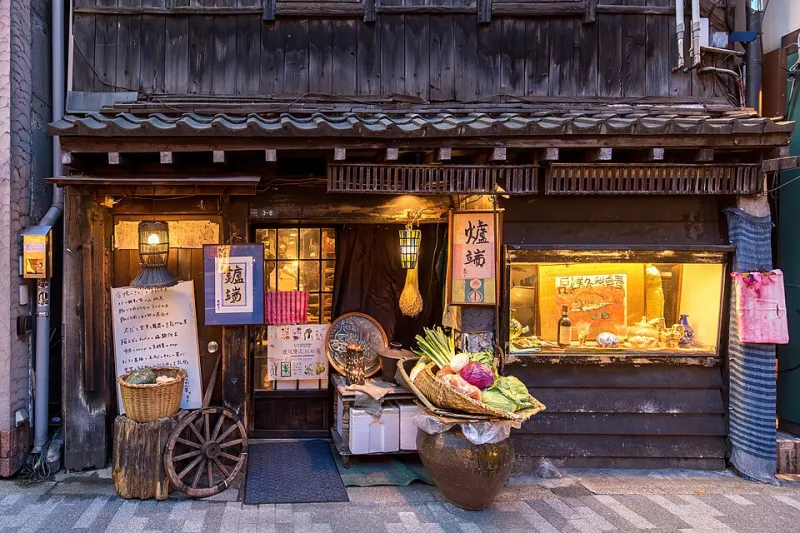
Chokubaijo (直売所) are roadside or community direct-sale stands operated by local agricultural cooperatives or individual farmers. These are among the most authentic market experiences available to visitors. Prices are typically set by the producers themselves, quality is high, and the selection reflects exactly what was harvested that morning or the day before. Chokubaijo are found along rural highways, at the edges of farming villages, and sometimes attached to agricultural cooperative buildings. They require no special access and are generally open to anyone.
Asaichi (朝市), or morning markets, are a tradition in many regional towns and cities. Some, like the Wajima Morning Market in Ishikawa Prefecture or the Katsuura Morning Market in Chiba, have operated for centuries and attract both locals and visitors. Others are more modest weekly gatherings in town squares or temple precincts. Arriving early — often before 8:00 a.m. — is essential, as the best produce moves quickly and vendors may begin packing up by mid-morning.
Michi-no-eki (道の駅), or roadside stations, are a government-supported network of rest stops that typically include regional produce sections, local food products, and sometimes restaurants serving prefecture-specific dishes. They function as accessible entry points for visitors who may be less confident navigating smaller, more local market formats.
Approaching Vendors: Etiquette and Relationship
For American visitors accustomed to the relative anonymity of farmers' market transactions, the social dimension of Japanese rural markets may require some adjustment. Vendors at regional chokubaijo and morning markets are often the farmers themselves, and interactions carry a relational weight that goes beyond a simple commercial exchange.
A few principles serve visitors well. Greeting vendors with a simple "Ohayou gozaimasu" (good morning) or "Sumimasen" (excuse me) before asking questions or picking up produce is both courteous and appreciated. Handling items before purchasing is generally acceptable, but doing so gently and with visible care signals respect for the producer's work. Asking about a vegetable's origin or preparation — even haltingly, with the help of a translation app — is almost always welcomed. Many vendors take genuine pleasure in explaining regional varieties or suggesting cooking methods, and these conversations, however brief, are often the beginning of the kind of ongoing relationship that enriches a longer stay.
Repeat visits matter. A visitor who returns to the same stall across multiple market days will often find vendors setting aside particularly good items or offering small samples unprompted. This is not a transaction — it is the early stage of a community relationship.
Farm-to-Table Experiences and Agritourism
Many prefectures have developed structured opportunities for visitors to engage more directly with agricultural production. These range from single-day harvest experiences — picking apples in Aomori, gathering tea leaves in Shizuoka, or harvesting rice in Niigata — to longer stays at working farms that accept guests through Japan's agritourism networks.
Organizations such as WWOOF Japan facilitate volunteer farm stays in which participants contribute labor in exchange for accommodation and meals. For American visitors with a genuine interest in agricultural practice and a willingness to work alongside Japanese farming families, this format offers an immersive experience that no standard tourist itinerary can replicate. Regional tourism boards in prefectures like Shimane, Yamagata, and Nagano also maintain databases of farm experience programs that can be booked in advance, often with English-language support available.
Supporting Small Agricultural Businesses Through Conscious Purchasing
Visiting regional food markets is not only a cultural experience — it is an economic act. Many of Japan's small-scale agricultural producers operate on narrow margins, and the direct sale of produce to visitors and local residents represents an important revenue stream that bypasses the pricing pressures of national distribution networks.
Choosing to purchase from chokubaijo rather than convenience stores, or from morning market vendors rather than supermarket chains, directs spending toward the agricultural families who form the backbone of rural community life. Purchasing regional food products — miso, pickles, dried mushrooms, local rice varieties — to bring home extends that support further and provides a tangible connection to the regional food culture long after the visit ends.
The seasonal food landscape of rural Japan is one of the country's most underappreciated resources. For visitors willing to slow down, follow the harvest calendar, and engage with the people who grow the food, it offers something genuinely irreplaceable.