Marking the Calendar by Festival Fire: An American's Field Guide to Japan's Regional Matsuri Circuit
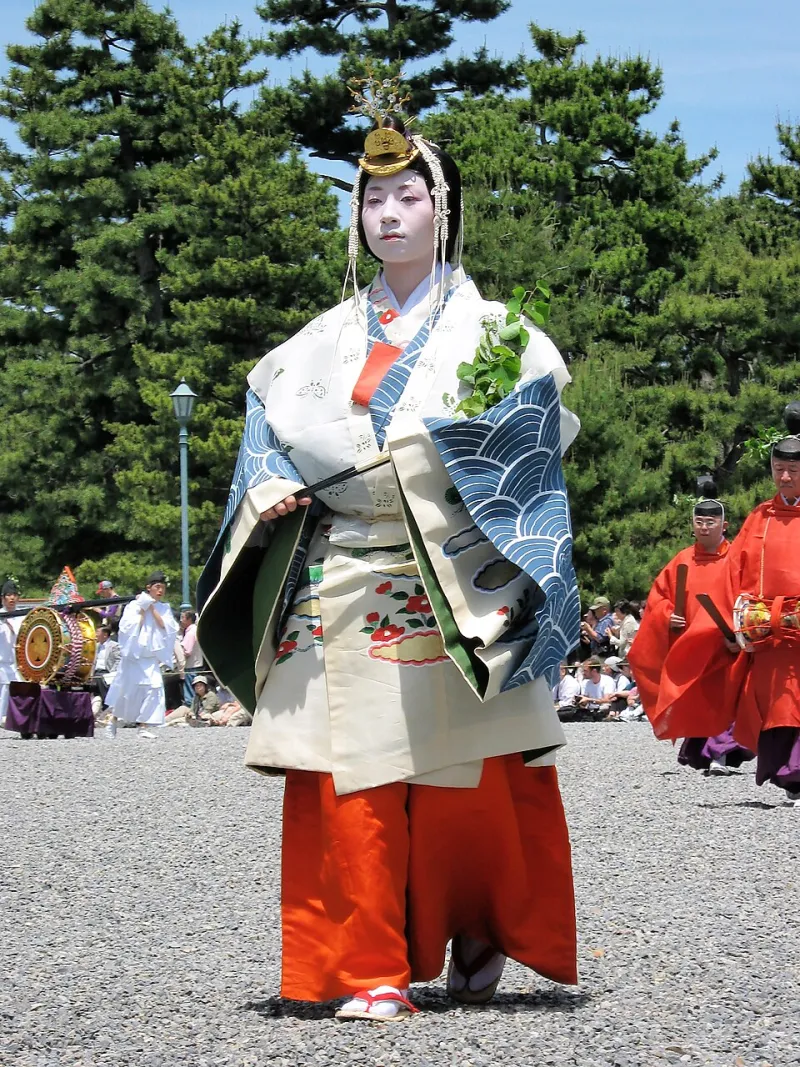
Photo: Kok Leng Yeo from Singapore, Singapore, CC BY 2.0, via Wikimedia Commons
For many Americans who settle into life in Japan's prefectures, the national holidays listed on a standard calendar tell only a fraction of the story. The deeper cadence of Japanese regional life is written in smoke from portable shrines, in the sound of taiko drums echoing off mountain valleys, and in the particular quality of lantern light that only appears during a community matsuri. Understanding this festival calendar—and knowing how to engage with it respectfully—is one of the most rewarding steps any newcomer can take toward genuine belonging.
What Is a Matsuri, and Why Does It Matter?
The word matsuri is most commonly translated as "festival," but that rendering loses considerable nuance. At its core, a matsuri is an act of communal devotion—typically tied to a Shinto shrine or Buddhist temple—that marks seasonal transitions, gives thanks for harvests, or honors local deities and ancestors. Unlike the large-scale events that draw international tourism to cities like Kyoto or Tokyo, the regional matsuri found in smaller prefectures are organized almost entirely by local residents. Participation is not passive. Neighborhoods are divided into chō (districts), each responsible for maintaining a mikoshi (portable shrine), preparing specific foods, or rehearsing traditional dances passed down through generations.
For Americans accustomed to public events organized by municipalities or private promoters, this structure can be surprising. Nobody is selling you an experience. You are being invited—quietly, sometimes without words—to witness something that belongs to the people around you.
Winter: Quiet Rituals and Fire Festivals
January and February may seem like an unlikely time for outdoor festivals, but some of Japan's most atmospheric regional events occur in the depths of winter. The Hadaka Matsuri (Naked Festival) tradition, observed in various forms across Okayama, Aichi, and other prefectures, typically takes place in early February. Participants—predominantly men—gather in minimal clothing to receive blessings and ward off misfortune for the coming year. Temperatures can be brutal, which is precisely the point.
In the Tōhoku region, Kamakura festivals in Akita Prefecture transform entire neighborhoods into glowing snow-hut villages throughout mid-February. Families invite passersby inside their hand-built kamakura to share warm amazake (a mildly sweet, low-alcohol rice drink). For American residents in northern Honshu, this is one of the most accessible winter introductions to community festival culture—intimate, unhurried, and genuinely welcoming of curious outsiders.
Practical note: Dress in layers. Arrive on foot if at all possible. Bringing a small gift of sweets to share is never inappropriate.
Spring: The Festival Season Awakens
March through May represents the most densely packed stretch of the matsuri calendar. Cherry blossom season (hanami) is well-documented abroad, but the regional shrine festivals that accompany spring planting rituals are far less known outside Japan. Across rural Niigata, Nagano, and Gifu prefectures, small agricultural communities hold ta-asobi ceremonies—symbolic rice-planting rituals performed at local shrines—that date back centuries and draw little to no outside attention.
May brings some of the most visually dramatic regional festivals. The Sanja Matsuri in Tokyo's Asakusa district is famous worldwide, but smaller prefectural equivalents—such as the Nachi Fire Festival in Wakayama or the Otaue Rice-Planting Festival in Osaka's southern suburbs—offer similar ceremony with a fraction of the crowd. For Americans who have relocated to Kansai or the Kii Peninsula, these events are close enough to reach by regional rail and provide an unobstructed view of traditions that urban festival-goers rarely experience.
Summer: The Peak of the Matsuri Year
If there is a season most closely associated with matsuri in the American imagination, it is summer. The combination of bon odori (ancestral memorial dances), fireworks competitions, and neighborhood street festivals makes July and August the most participatory months on the calendar. The Obon period, typically centered around August 13–16, is when communities across Japan welcome the spirits of ancestors home. Local bon odori events are held in temple grounds, schoolyards, and public parks, and newcomers are almost universally encouraged to join the circular dances.
Learning even a single bon odori dance before the season begins is a gesture that resonates deeply with local residents. Many community centers and public libraries in rural prefectures offer free dance instruction in the weeks prior. For Americans who have relocated to areas like rural Tokushima, Yamagata, or Kochi, asking a neighbor or local shopkeeper about dance practice sessions is one of the most effective community-building moves available.
The Nebuta Matsuri in Aomori and the Awa Odori in Tokushima are the summer festivals that occasionally appear in international travel media, but the real texture of the season is found in the smaller, unnamed neighborhood events—the ones where the same family has operated the yakitori stall for forty years and where the evening ends with volunteer cleanup crews quietly restoring the street to order.
Autumn: Harvest Gratitude and Quiet Ceremony
September through November brings the harvest season and its associated matsuri, which tend toward solemnity and gratitude rather than the exuberance of summer. Agricultural communities in Tohoku and the Chugoku region hold shrine ceremonies that involve the formal presentation of the first rice harvest to local deities. These events are often small, conducted in the early morning, and rarely advertised beyond the immediate community.
For American residents who have established relationships with neighbors or local business owners by this point in the year, autumn festivals are an opportunity to participate at a deeper level—helping with setup, contributing to communal meals, or simply showing up consistently enough to be recognized as a familiar face. That recognition, in the context of a regional matsuri, carries genuine meaning.
Participating with Respect: A Few Principles
Respectful participation begins with observation. Before joining any procession, dance, or ritual, watch how local residents conduct themselves. Dress modestly unless specifically invited to wear festival attire provided by the organizing community. Photography is generally acceptable in public spaces but should be avoided inside shrine buildings or during clearly ceremonial moments unless you have received an explicit indication that it is welcome.
Learning a few relevant phrases in Japanese—expressing gratitude, asking permission, acknowledging that you are a newcomer—goes a considerable distance. Regional communities tend to be forgiving of cultural missteps made in good faith, particularly when the person making them has demonstrated genuine interest in understanding local traditions.
The matsuri calendar is, ultimately, a map of belonging. For Americans building lives in Japan's prefectures, following it through a full year is one of the most direct paths toward understanding the community they have chosen to call home.