From Bank Account to Health Card: Navigating Japan's Administrative Landscape as an American in the Countryside
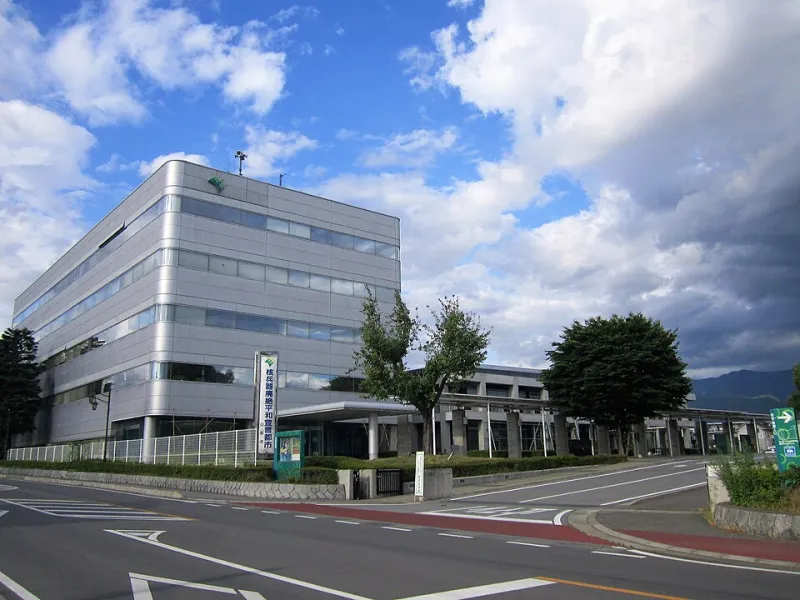
Photo: Suikotei, CC BY-SA 4.0, via Wikimedia Commons
There is a particular kind of confidence that comes from walking into a rural Japanese municipal office, presenting the correct documents in the correct order, and leaving with everything stamped and filed. For most Americans who relocate outside Japan's major urban centers, that confidence takes months to develop—and the path there is rarely smooth. The systems are logical once understood, but they were not designed with foreign residents in mind, and in smaller prefectures, English-language support is often minimal to nonexistent.
This guide addresses the four pillars of administrative life for Americans in rural Japan: residency registration, banking, taxation, and healthcare. Each section reflects both the formal requirements and the practical realities reported by long-term expat residents in communities across Tohoku, Shikoku, Chugoku, and the Japan Sea coast.
Step One: The Resident Registration Card (Zairyu Card and Juminhyo)
Everything in Japanese administrative life flows from two documents: your Zairyu Card (Residence Card), issued at the port of entry for stays exceeding three months, and your Juminhyo (resident registration certificate), obtained by registering your address at your local municipal office (shiyakusho or yakuba) within fourteen days of moving in.
In rural areas, the municipal office is often a single building serving multiple administrative functions. Bring your Residence Card, your passport, and your rental contract or a letter from your landlord confirming your address. Staff in smaller offices may have limited English proficiency, so it is worth preparing a simple written note in Japanese stating your name, nationality, intended address, and the purpose of your visit. Free template documents for this purpose are available through organizations such as the Japan Support Center for Foreigners (Tabunka Kyosei support networks) and various prefectural international affairs divisions.
Once registered, you will receive a My Number card application. This twelve-digit national identification number is now required for tax filing, health insurance enrollment, bank account applications at many institutions, and an increasing range of government services. Apply for the physical card immediately—processing can take several weeks.
Opening a Bank Account Outside the City
This is the step that frustrates American newcomers most consistently. Major city branches of large banks such as Japan Post Bank (Japan Yūcho Ginko), Shinsei Bank, and some regional banks have become more accommodating of foreign residents in recent years, but rural branches often operate under more conservative local policies.
Japan Post Bank remains the most reliably accessible option for newly registered foreign residents. Because its branches and ATMs are located in post offices throughout even the most remote municipalities, it functions as a practical default. Required documents typically include your Residence Card, your My Number card (or the notification letter if the card has not yet arrived), and your registered address seal (hanko) or signature. Some branches will accept a signature in lieu of a hanko; others will not. Calling ahead—or asking a Japanese-speaking neighbor to call on your behalf—to confirm local branch requirements before visiting saves considerable time.
For online transactions and international transfers, Rakuten Bank and Sony Bank offer English-language interfaces and are compatible with foreign-registered smartphones. However, both require an existing Japanese bank account or credit card to complete initial verification, meaning the Japan Post Bank account often serves as the necessary first step.
A note on credit cards: Building Japanese credit history takes time. Expect to operate primarily on a cash or debit basis for your first year. IC card payment systems (Suica, ICOCA, and regional equivalents) are accepted at an enormous range of rural establishments and represent the most frictionless daily payment method available to new residents.
Understanding Your Tax Obligations: Japan, the United States, and the Space Between
Americans abroad carry a tax burden that citizens of most other nations do not: the United States taxes its citizens on worldwide income regardless of where they reside. This means that an American living in rural Akita Prefecture and earning income from a Japanese employer—or remotely from a US-based company—typically has obligations to both the Japanese National Tax Agency (Kokuzei-cho) and the Internal Revenue Service.
In Japan, residents registered for more than a year are considered jumin (residents) for tax purposes and are subject to both national income tax and a local inhabitant tax (jumin-zei) collected by the prefecture and municipality. Japanese income tax is filed annually between February 16 and March 15 at your local tax office (zeimusho). Many rural tax offices now offer appointment-based filing assistance, and some prefectures provide multilingual support through their international affairs divisions during filing season.
For US obligations, the Foreign Earned Income Exclusion (Form 2555) allows qualifying Americans to exclude a substantial portion of foreign-earned income from US taxation—the exclusion amount adjusts annually with inflation. The Foreign Tax Credit (Form 1116) provides an alternative or supplementary mechanism for avoiding double taxation. Given the complexity of managing dual filing obligations, most long-term American expats in Japan engage a tax professional who holds credentials in both jurisdictions. The American Citizens Abroad (ACA) organization and the IRS's international taxpayer resources are useful starting points for self-education before engaging professional help.
Critical reminder: Americans with financial accounts outside the United States exceeding $10,000 in aggregate value at any point during the year must file a FinCEN 114 (FBAR) report with the US Treasury. This requirement catches many newcomers off guard and carries significant penalties for non-compliance.
Enrolling in Healthcare: The National Health Insurance System
Japan's healthcare system is frequently cited as one of the most equitable and cost-effective in the developed world, and foreign residents are eligible—and in most cases required—to participate. Americans who are not covered by an employer-sponsored health insurance plan (shakai hoken) enroll in the Kokumin Kenko Hoken (National Health Insurance, or NHI) system through their municipal office.
Enrollment should occur at the same time as or immediately following your residency registration. Premiums are calculated based on the previous year's income and your municipality's specific rate structure, meaning your first year of enrollment—when you have no Japanese income on record—typically results in relatively low premiums. Subsequent years may increase substantially depending on earnings.
With an NHI card, residents pay 30 percent of covered medical costs at the point of service; the system covers the remaining 70 percent. Prescription medications, dental care, and mental health services are included under the system, though coverage specifics vary. In rural areas, the local hospital or clinic (byoin or shinryojo) is often the first and primary point of care. Medical interpretation services are not consistently available in smaller facilities, and it is advisable to prepare a written health history document in Japanese—or to identify a bilingual community contact who can assist during medical appointments if needed.
Building Administrative Confidence Over Time
The honest reality is that navigating Japanese bureaucracy as an American in a rural prefecture involves a learning curve that no single guide can fully flatten. Each prefecture, and sometimes each municipality within a prefecture, operates with its own procedural nuances. Connecting early with local international resident support organizations—many of which operate through prefectural governments or volunteer networks—provides access to people who have already solved the problems you are about to encounter.
The administrative foundation, once established, enables everything else: the ability to open a business, rent a home, access medical care, and participate in the economic life of your community. It is unglamorous work, but it is the work that transforms a temporary stay into a genuine life.