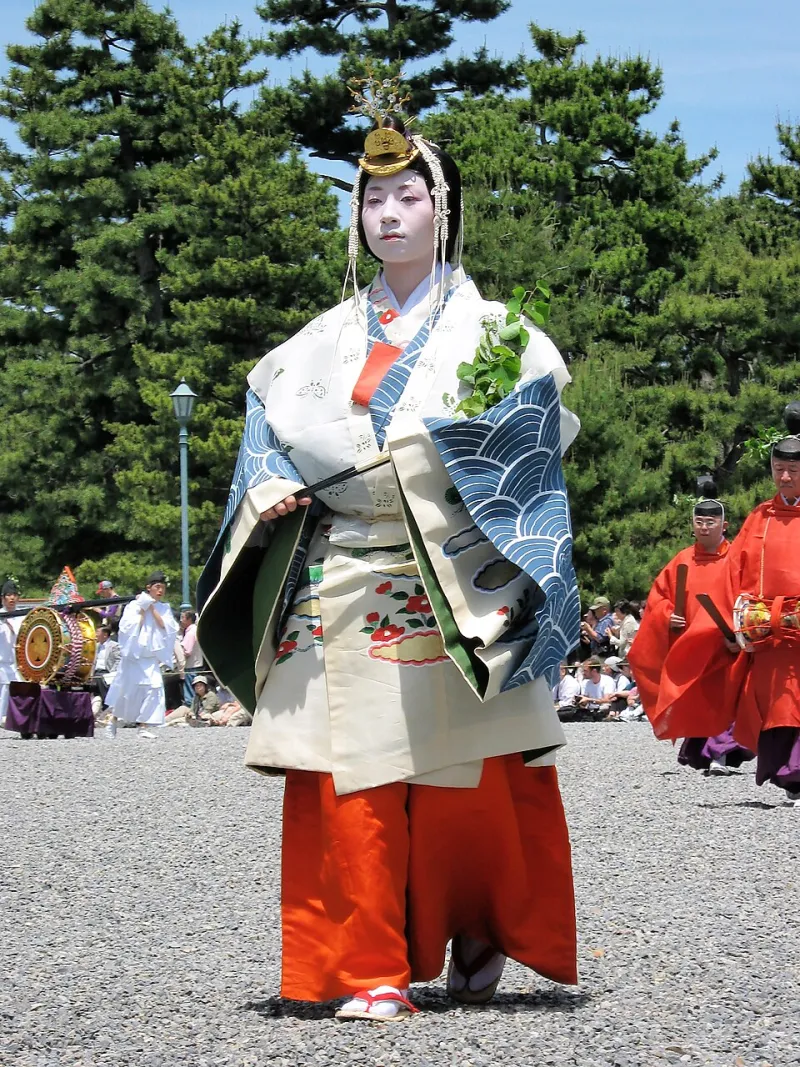
The Language of Official Japan: A Practical Guide to Keigo for Americans Navigating Rural Bureaucracy
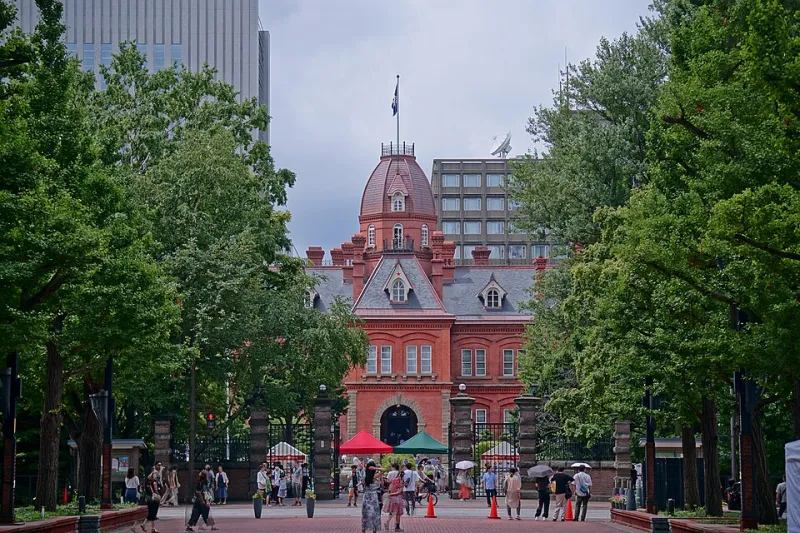
Photo: 掬茶, CC BY-SA 4.0, via Wikimedia Commons
There is a particular kind of silence that falls in a Japanese government office when a foreigner attempts to conduct official business in casual speech. It is not hostile. It is not contemptuous. It is simply the silence of a system encountering something it was not designed to process. Understanding why that silence happens — and how to prevent it — is one of the most practically valuable things an American living or doing business in rural Japan can do.
Keigo, the formal register of the Japanese language, is not a stylistic flourish. It is a structurally distinct mode of communication with its own vocabulary, verb conjugations, and social logic. In Tokyo's international business districts, where foreign professionals are common and municipal staff sometimes have English-language support, the consequences of using informal Japanese in official contexts are often absorbed without incident. In a rural town hall in Gifu Prefecture or a licensing office in Shimane, the stakes are meaningfully different. Relationships are more durable, reputations travel further, and the impression you make during your first interaction with local government may color every subsequent exchange for years.
What Keigo Actually Is — and Is Not
Americans learning Japanese from apps, textbooks, or language exchange partners frequently encounter keigo as a footnote: something to be aware of, to be studied eventually, but not an immediate priority. This ordering of priorities makes sense in a tourism context. It makes considerably less sense for someone who intends to register a sole proprietorship at a local municipal office, apply for a small business subsidy through a prefectural program, or negotiate a commercial lease with a landlord who has never dealt with a foreign tenant.
Keigo encompasses three primary sub-registers. Sonkeigo (respectful language) elevates the actions and status of the person you are addressing. Kenjōgo (humble language) lowers your own position and actions in relation to the listener. Teineigo (polite language) is the baseline formal register most language learners encounter first — the standard -masu and -desu verb endings that signal politeness without the more complex hierarchical encoding of the other two forms.
For most official interactions, Americans will need functional command of teineigo and at least passive recognition of sonkeigo. Full fluency in kenjōgo, while admirable, is a longer-term project. The immediate goal is to avoid the errors that signal disrespect or carelessness — using dictionary-form verbs in formal settings, addressing officials by first name, or omitting the honorific prefixes (o- and go-) that attach to certain nouns in formal contexts.
Why Rural Offices Are Different
Tokyo's ward offices, particularly in neighborhoods with established expat populations, have adapted to foreign residents. Multilingual signage, English-speaking staff members, and simplified procedures for common foreign-resident transactions are increasingly standard. Rural municipal offices operate under different assumptions.
In a town of eight thousand people, the staff member processing your business registration application may have encountered fewer than a dozen foreign applicants in their entire career. They are not equipped, institutionally or linguistically, to meet you halfway. The adjustment, in both language and cultural register, falls almost entirely on the applicant. This is not a criticism of rural Japanese bureaucracy — it is simply an accurate description of the environment.
The cultural dimension compounds the linguistic one. Rural Japanese communities tend to place significant weight on the concept of kata — the proper form or procedure for a given activity. Arriving at a government office without the correct documents, addressing officials in overly casual language, or attempting to negotiate procedural shortcuts signals not merely inexperience but a certain disregard for the seriousness of the interaction. That signal, once received, is difficult to unsend.
Essential Phrases for Official Interactions
The following phrases represent a functional starting point for Americans navigating common bureaucratic scenarios. Pronunciation and context matter; these are best practiced with a language tutor familiar with formal register before deployment in an actual government office.
Arriving and identifying yourself:
- Osewani natte orimasu. [Your name] to mōshimasu. — "Thank you for your continued support. I go by [name]." The opening phrase osewani natte orimasu is a standard formal greeting in professional and official contexts; its literal meaning is less important than its social function as a signal of appropriate register.
Requesting assistance:
- Sumimasen ga, [matter] ni tsuite go-sōdan shitai no desu ga, yoroshii deshō ka. — "Excuse me, I would like to consult with you regarding [matter], if that would be acceptable." The conditional ending yoroshii deshō ka softens the request appropriately.
Submitting documents:
- Kochira ga, moushikomisho de gozaimasu. Go-kakunin no hodo, yoroshiku onegai itashimasu. — "This is the application form. I respectfully request your review." The verb gozaimasu is a kenjōgo form of desu; its use here signals careful attention to register.
Requesting clarification:
- Moushiwake gozaimasen ga, mō ichido go-setsumei itadakemasu deshō ka. — "I sincerely apologize for the inconvenience, but would it be possible for you to explain once more?" Beginning a clarification request with an apology is standard practice in formal Japanese interaction and should not feel self-deprecating to an American ear — it is simply the expected form.
Real-World Scenarios: Business Registration and Licensing
Registering a sole proprietorship (kojin jigyōnushi) at a local tax office requires submitting a kaigyo todoke — a business commencement notification — within sixty days of beginning operations. The form itself is relatively straightforward, but the accompanying interaction with the tax office clerk benefits enormously from formal register. Clerks who perceive an applicant as linguistically and socially competent are more likely to volunteer helpful procedural guidance unprompted.
For those pursuing more complex licensing — a food service operation, a guest accommodation business, or a craft workshop open to the public — the interactions multiply across multiple offices: the municipal hall, the prefectural health department, the fire marshal's office. Each interaction is an opportunity to establish credibility or to undermine it. Americans accustomed to a more transactional relationship with government offices may find the relational dimension of Japanese bureaucracy surprising. Clerks remember applicants. A polite, well-prepared foreigner who uses appropriate keigo tends to receive more thorough guidance than one who does not.
The Cultural Logic Beneath the Grammar
Keigo is not arbitrary complexity. It encodes a set of values — attentiveness to hierarchy, acknowledgment of the other person's position and effort, and a certain epistemic humility about one's own standing — that run through Japanese social life at every level. In rural communities, where the same families have interacted across generations and where an individual's reputation is genuinely communal property, these values carry particular weight.
For Americans, the most useful reframe may be this: keigo is not about subordinating yourself. It is about demonstrating that you understand the context you are operating in and that you take it seriously. That demonstration, made consistently and sincerely, opens doors that no amount of linguistic fluency in casual Japanese can unlock.
Kaigot Japan Local recommends that Americans planning to conduct official business in rural prefectures invest in at least ten to fifteen hours of focused keigo instruction with a qualified tutor before their first formal government interaction. Several regional language schools and online platforms specializing in business and administrative Japanese are listed in our regional services directory. The investment is modest. The return, measured in smoother paperwork, warmer official relationships, and a community reputation worth having, is considerable.