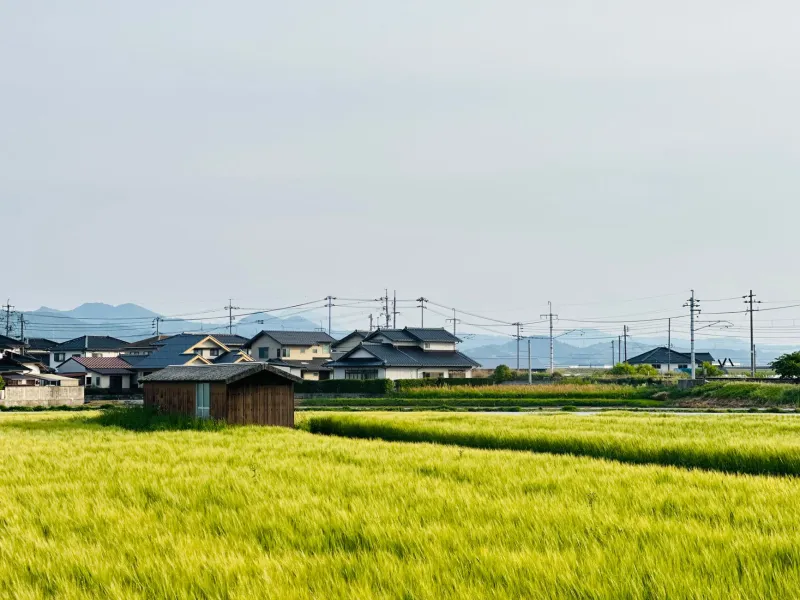
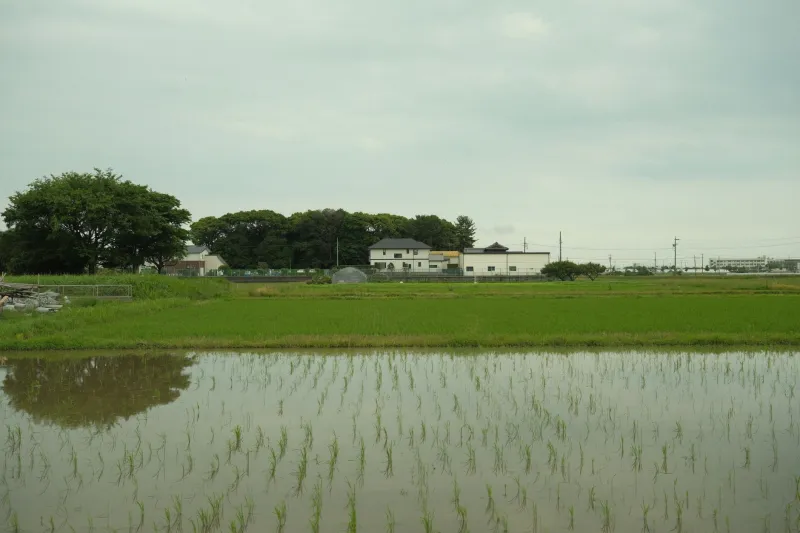
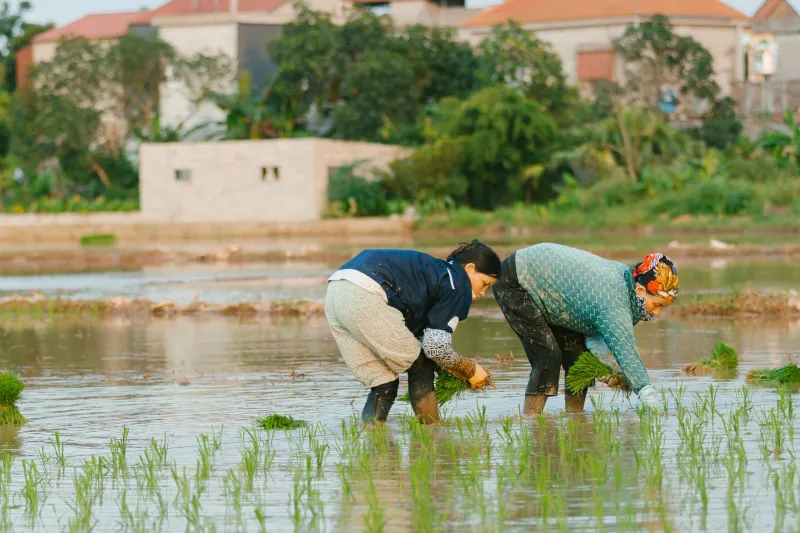
Empty Storefronts, Full Potential: How America's Entrepreneurs Are Building Businesses in Japan's Depopulating Countryside
For most observers, the statistics surrounding rural Japan's demographic decline read as a slow-moving humanitarian concern. Roughly 900 towns and villages across the country are classified by the Japanese government as kaso chiiki—depopulated areas—and projections suggest that several hundred municipalities may cease to function as self-sustaining communities within the next three decades. Yet for a growing number of American entrepreneurs who have taken the time to look beyond the headlines, these same numbers tell a fundamentally different story: one defined by underpriced assets, unmet demand, and a local government apparatus actively searching for outside help.
Understanding why this opportunity exists requires a brief look at the mechanics driving it.
The Structural Roots of Rural Vacancy
Japan's postwar economic miracle concentrated wealth and population in its major metropolitan centers. Younger generations migrated toward Tokyo, Osaka, and Nagoya in search of employment, leaving behind agricultural and manufacturing communities that had anchored rural life for centuries. As those communities aged in place, the businesses, homes, and civic infrastructure they had built gradually lost the human capital needed to sustain them.
Today, roughly one in seven homes across Japan sits vacant. In some rural prefectures, that figure climbs considerably higher. The government's own akiya (vacant home) registry catalogs hundreds of thousands of these properties, many of which are available for purchase at prices that would strike most Americans as implausibly low—sometimes as little as a few thousand dollars for structurally sound buildings in communities that still have functioning schools, post offices, and transit links.
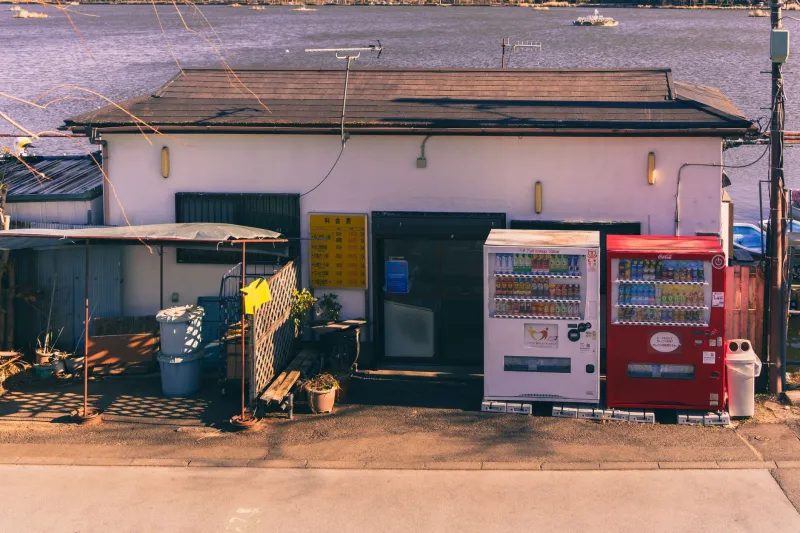
Commercial real estate tells a similar story. Former restaurants, workshops, retail shops, and light industrial facilities sit idle in town centers from Akita to Kochi, their former owners having retired without successors. Local governments, acutely aware that vacant storefronts signal economic contraction to remaining residents, have developed a range of programs to attract new operators—including foreign nationals.
What Local Governments Are Actually Offering
The incentive landscape for foreign entrepreneurs in rural Japan is more sophisticated than many Americans realize. At the prefectural level, programs such as subsistence grants, low-interest business loans, and rent subsidies have been expanded in recent years to include non-Japanese applicants, provided that applicants demonstrate a credible business plan and a commitment to contributing to local economic life.
Several municipalities have gone further still. Certain towns in Shimane, Tokushima, and Niigata prefectures have established dedicated chiiki okoshi kyōryokutai (regional revitalization cooperator) frameworks that allow foreign participants to receive a monthly living stipend while they develop a business concept during an initial residency period. This effectively subsidizes the exploratory phase of entrepreneurship—a model that has few equivalents in the American small business landscape.
Beyond direct financial support, local governments frequently offer what might be called institutional goodwill: introductions to local business associations, facilitated access to vacant properties, and assistance navigating the administrative processes that can otherwise pose a significant barrier for foreign nationals. For Americans who approach these relationships with patience and cultural attentiveness, the practical value of this network should not be underestimated.
The Service Gap as a Business Case
Perhaps the most durable opportunity in rural Japan's depopulating communities is not the acquisition of cheap property but rather the provision of services that an aging, shrinking population genuinely needs and cannot currently access.
Consider the healthcare-adjacent sector. Japan's rural elderly population faces documented shortfalls in home care, mobility assistance, and wellness services. Americans with backgrounds in physical therapy, occupational health, or geriatric care management are entering these markets and finding demand that outstrips their capacity to serve it. The regulatory environment for some of these services can be navigated by foreign nationals with appropriate credentials, and local governments are often willing to facilitate the licensing process for applicants who demonstrate professional legitimacy.
Food and hospitality represent another category worth examining carefully. As traditional family-run establishments close for lack of successors, gaps appear in local dining, accommodation, and food production infrastructure. Americans with culinary training or hospitality experience have opened guesthouses, farm-to-table restaurants, and artisan food operations in communities where such businesses had effectively disappeared. Several of these ventures have attracted regional and national media attention, generating tourism revenue that benefits the broader local economy.
Digital and technology services constitute a third frontier. Rural municipalities across Japan are navigating the transition to e-government platforms, digital record-keeping, and remote service delivery with limited in-house technical expertise. Americans with backgrounds in software development, digital marketing, or IT consulting are finding consistent contract work by serving the administrative and commercial needs of communities that cannot recruit domestic talent at competitive wages.
Case Studies in Practical Entrepreneurship
The evidence is no longer purely theoretical. Americans operating businesses in rural Japan now span a wide range of industries and prefectures, and their experiences offer instructive patterns for those considering a similar path.
One entrepreneur from Portland relocated to a small town in Nagano prefecture after identifying a vacancy in quality craft coffee service—a category that had gained traction in Japan's urban centers but remained largely absent from smaller communities. By combining a modest café operation with online retail of locally sourced single-origin beans, the business achieved profitability within its second year of operation while drawing visitors from surrounding areas who had no comparable destination.
In Ehime prefecture, a former logistics consultant from Chicago identified an opportunity in last-mile delivery coordination for elderly residents unable to access supermarkets or pharmacies independently. Working with municipal support, the operation now contracts with multiple local governments and has expanded its service area beyond its original pilot community.
These are not isolated cases. They represent a replicable pattern: identify a genuine service need, align with local government priorities, and build a business model that serves the existing population rather than attempting to attract an entirely new one.
Positioning Yourself to Enter This Market
For Americans seriously evaluating rural Japan as an entrepreneurial destination, a few practical orientations are worth establishing early.
First, the importance of language investment cannot be overstated. While English-language support has improved in some prefectures, the most productive relationships with local government officials, property owners, and potential customers will require at minimum a functional command of conversational Japanese. Committing to language study before and during relocation will pay dividends that no amount of external assistance can fully replicate.
Second, the timeline for building trust in a rural Japanese community is longer than most Americans anticipate. Demonstrating genuine investment in local life—participating in community events, maintaining relationships with neighbors, and conducting business with visible respect for local norms—is not merely a social nicety. It is the foundation upon which commercial viability in these markets is built.
Third, and perhaps most importantly, the most successful foreign entrepreneurs in rural Japan tend to be those who frame their presence as a contribution rather than an extraction. The communities that are welcoming outside investment are doing so because they need solutions to real problems. Entrepreneurs who arrive with that orientation, rather than a purely transactional one, consistently report stronger relationships with local governments, more favorable access to resources, and more sustainable businesses over time.
The economics of rural Japan's depopulation are not going to reverse themselves in the near term. For American entrepreneurs willing to engage with that reality thoughtfully and respectfully, the window of opportunity is open—and it is wider than most people in the United States have yet recognized.