Beyond the Sunbelt: Why American Retirees Are Choosing Japan's Regional Towns Over Florida's Golf Courses

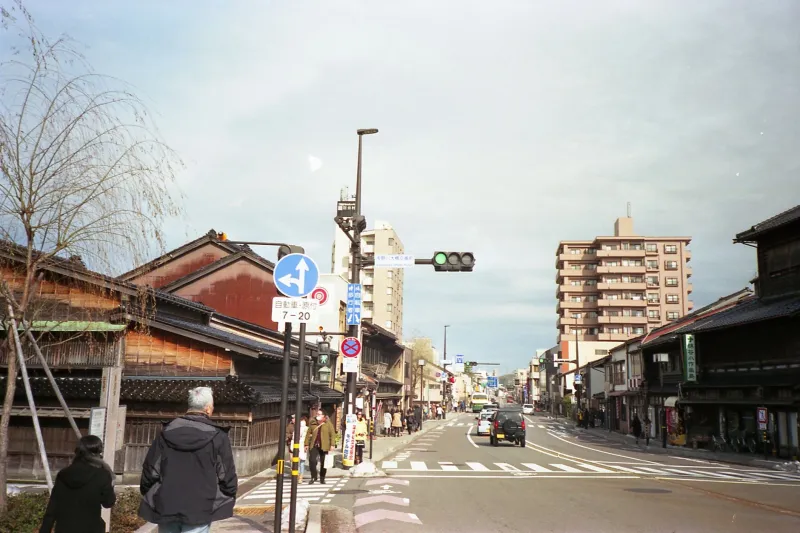
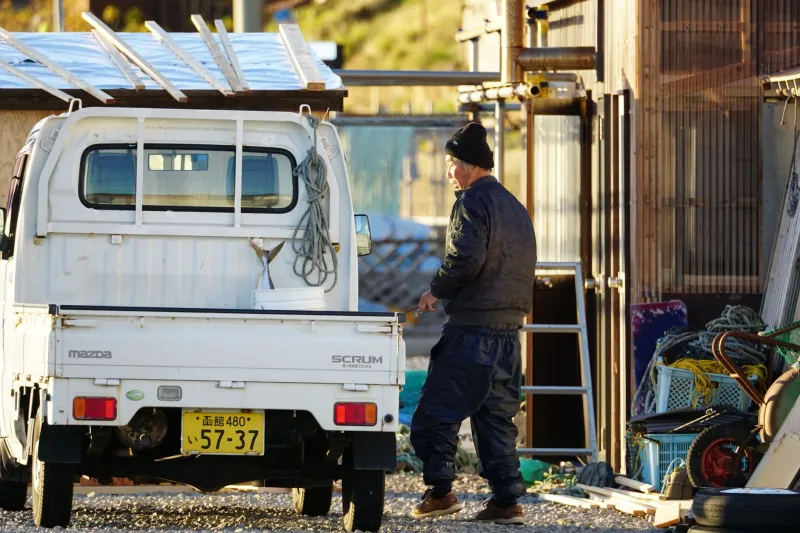
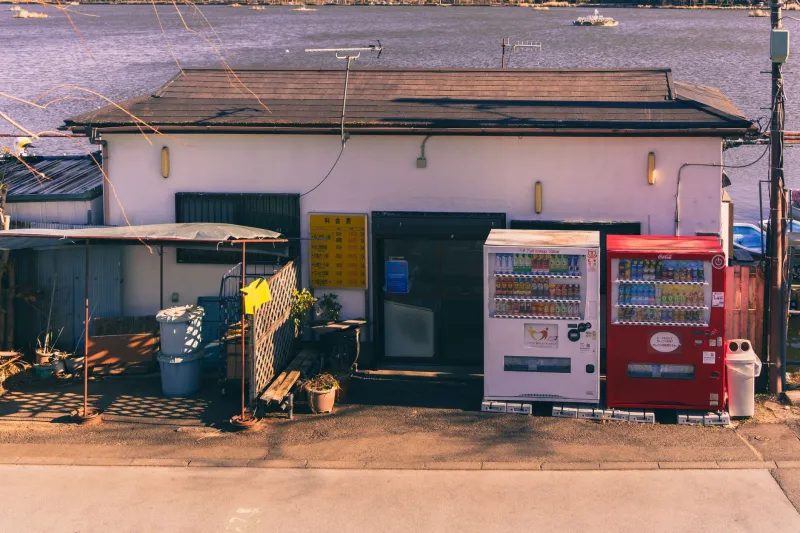
For decades, American retirement planning has followed a well-worn path. Save enough, head south or southwest, and settle into a community designed around leisure. Yet a quiet but meaningful countermovement is underway. A modest but growing cohort of American retirees is trading the familiar comforts of Sarasota or Scottsdale for the rice paddies, covered shopping arcades, and mountain-ringed valleys of rural Japan. Their reasons are varied, their experiences illuminating, and their stories worth examining in detail.
The Economics of Retiring in Regional Japan
For many Americans, the financial case is the first thing that catches their attention. Japan's regional towns — particularly those outside the major metropolitan corridors of Tokyo, Osaka, and Nagoya — offer a cost of living that can be genuinely startling to someone accustomed to American prices.
Rental housing in smaller prefectural cities and rural communities frequently runs between $300 and $700 per month for a clean, well-maintained apartment. Grocery bills, especially for those willing to embrace the local diet of rice, seasonal vegetables, tofu, and fish, tend to be considerably lower than comparable spending in the United States. Public transportation, where available, is efficient and inexpensive. And perhaps most significantly, Japan's national health insurance system extends to foreign residents who register properly, offering access to quality medical care at a fraction of what Americans typically pay out of pocket.
Marcia Thornton, a 67-year-old retired school librarian from Columbus, Ohio, relocated to a mid-sized town in Yamagata Prefecture three years ago. "I ran the numbers every way I could," she says. "Even accounting for the flight home once a year and the occasional surprise expense, I'm spending about forty percent less than I was in Ohio. And I'm not sacrificing anything I care about."
Healthcare That Actually Works
Healthcare access is often cited as the single largest anxiety among Americans approaching retirement. Japan's system, while requiring navigation and some patience with paperwork, consistently ranks among the best in the world by international health metrics. Regional hospitals and clinics in smaller cities are generally well-staffed and equipped, and the country's emphasis on preventive care and regular health screenings aligns well with the priorities of health-conscious retirees.
Foreign residents who enroll in Japan's National Health Insurance program — enrollment is mandatory for those on long-term visas — typically pay premiums based on their declared income, which for retirees living on modest Social Security benefits or pension income tends to be relatively low. Co-payments for most medical services run around thirty percent of the billed cost, which remains far lower than the out-of-pocket exposure many Americans face even with Medicare coverage.
It is worth noting that Medicare does not cover services received abroad, a practical reality that retirees must factor into their planning. Many Americans in Japan supplement their national health insurance enrollment with an international health policy to cover gaps, particularly for emergency medical evacuation or specialized procedures.
The Visa Question: What Options Exist for Retirees
Japan does not currently offer a dedicated retirement visa, a fact that surprises many Americans who have heard about similar programs in Portugal or Thailand. However, this does not mean the path is closed. Several legal routes exist for Americans who wish to reside in Japan long-term.
The most commonly used option among retirees is the Designated Activities visa, which can in some cases be granted to individuals with sufficient financial means who are not engaged in employment. Applicants typically need to demonstrate stable income — Social Security benefits, pension payments, or investment income — and a clean immigration record. Consulting with a qualified immigration attorney or a registered administrative scrivener (gyoseishoshi) before applying is strongly advisable, as requirements can vary by consulate and individual circumstance.
Other retirees enter Japan on a Cultural Activities visa if they are formally enrolled in language study or traditional arts instruction, a route that suits those genuinely interested in immersive learning. A smaller number pursue the Business Manager visa if they establish a small enterprise, though this route carries its own administrative requirements.
Long-term permanent residency becomes available after ten years of continuous legal residence, or sooner under certain conditions, offering a more settled status for those committed to staying.
Social Security Abroad: A Practical Overview
American retirees collecting Social Security benefits are generally entitled to receive those payments while residing in Japan, as Japan is not among the small number of countries where Social Security payments are restricted. Payments can be deposited directly to a U.S. bank account, which the recipient then accesses through international transfers or a linked debit card. Setting up a Japanese bank account early in the relocation process is highly recommended, as it simplifies daily transactions considerably.
The U.S.-Japan tax treaty is relevant for retirees who may also have pension income or investment earnings. Consulting a tax professional familiar with expatriate tax obligations — particularly one versed in FBAR filing requirements and the Foreign Earned Income Exclusion — is not optional; it is genuinely necessary for anyone spending significant time abroad.
The Purpose Factor: Feeling Needed in a Depopulating Town
Perhaps the most unexpected element of this retirement story is psychological rather than financial. Japan's rural and semi-rural communities are facing significant demographic pressure. Populations are aging, younger residents are leaving for urban centers, and many towns are actively seeking engaged newcomers who can contribute to community life.
For retirees who spent careers in education, healthcare, skilled trades, or community service, arriving in a Japanese town where their experience and energy are genuinely valued can be a profound reorientation. Local governments and community organizations in many depopulating areas actively welcome foreign residents who show willingness to participate — in neighborhood associations, local festivals, volunteer programs, and informal English conversation groups.
Dennis Kawabata, a 71-year-old retired civil engineer from Portland, Oregon, has lived in a small town in Iwate Prefecture for five years. "Back home, retirement felt like I had been quietly set aside," he reflects. "Here, the town council actually asked me to consult on a small infrastructure project. I felt useful again. That matters more than I expected."
Building a Social Network in a Smaller Community
Building genuine social connections in rural Japan requires patience and intentionality, particularly for those without Japanese language skills. Enrolling in local language classes — offered through many municipal international exchange associations — provides both practical communication skills and immediate access to a community of fellow learners and engaged local instructors.
Neighborhood associations (chōnaikai) are the connective tissue of Japanese community life, organizing everything from local clean-up days to seasonal festivals. Joining and participating, even imperfectly at first, signals genuine commitment to local life and opens doors that remain closed to those who keep to themselves.
Online communities connecting foreign residents of rural Japan — several active groups exist across major social platforms — can also provide peer support, practical advice, and the reassurance that comes from knowing others have navigated the same challenges successfully.
A Different Kind of Retirement
The retirement that regional Japan offers is not for everyone. It requires flexibility, a tolerance for administrative complexity, and a genuine willingness to engage with a culture that operates by different norms. But for the Americans who have made this choice, the returns — financial, social, and psychological — appear to be considerable.
As one retiree put it simply: "I came here expecting to save money. I didn't expect to find meaning." In Japan's quieter towns, it seems, both are available to those willing to look.