Sacred Ground, New Purpose: Americans Are Quietly Partnering with Priests and Local Governments to Rescue Japan's Forgotten Religious Structures
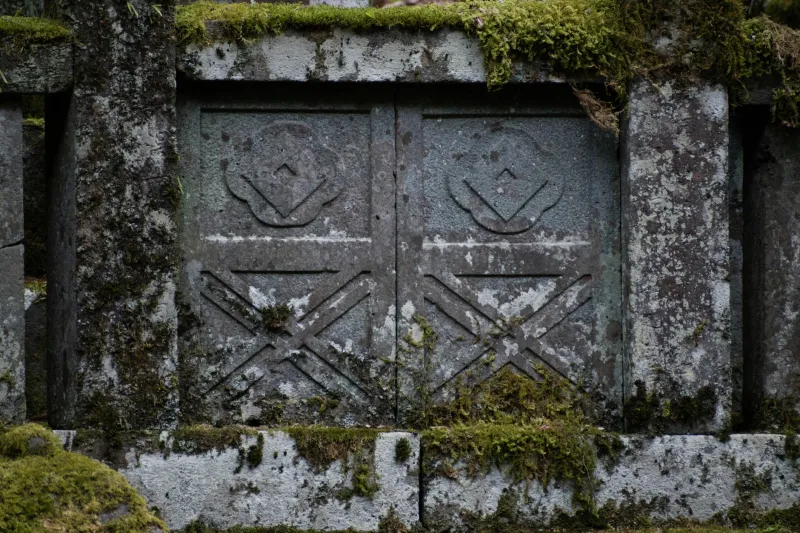
The wooden gate was warped at the hinges. Moss had claimed the stone lanterns flanking the path, and the main hall's cedar roof sagged in two places. Yet when Marcus Delray, a former architectural preservationist from Savannah, Georgia, first walked the grounds of a small Zen temple in Hyogo Prefecture, he did not see decay. He saw a project worth a decade of his life.
"The bones were extraordinary," Delray recalled during a recent conversation facilitated through a regional community development office. "Eighteenth-century joinery, original tatami cells, a meditation garden that just needed someone to care about it again. I knew immediately that walking away wasn't an option."
Delray's story is no longer exceptional. Throughout Japan's depopulating countryside, Americans with backgrounds in hospitality, architecture, nonprofit management, and cultural education are forming unlikely alliances with Buddhist organizations, Shinto shrine associations, and prefectural governments to give abandoned or semi-abandoned sacred structures a second life. The work is painstaking, the regulatory terrain is genuinely complex, and the cultural stakes are high. But for those who navigate it carefully, the results can be remarkable—both economically and personally.
Why So Many Structures Are Available in the First Place
Japan is home to approximately 77,000 Buddhist temples and 80,000 Shinto shrines. That figure sounds robust until you understand the demographic pressure bearing down on the institutions behind them. Rural parishes are aging rapidly, and many temples operate on a funeral-service model that depends on an active, dues-paying congregation. As younger generations leave for urban centers and the overall population contracts, donation income falls and maintenance costs become unsustainable.
The Agency for Cultural Affairs estimates that hundreds of registered cultural properties face serious deterioration risks due to inadequate funding. Unregistered structures—smaller neighborhood temples, roadside shrines, and auxiliary buildings on larger temple grounds—number in the thousands and receive no formal preservation support whatsoever.
Local governments are acutely aware of the problem. Many municipalities have established liaison offices specifically to connect property holders, including religious organizations, with outside investors and developers willing to commit to sympathetic reuse. It is through these offices that many American newcomers first make contact with potential temple or shrine partners.
Navigating the Regulatory and Cultural Landscape
Repurposing a religious structure in Japan is not like converting a barn in Vermont. The legal framework alone involves multiple overlapping authorities. Structures registered as national or prefectural cultural properties fall under the Law for the Protection of Cultural Properties, which imposes strict limitations on exterior alterations and requires government approval for any significant intervention. Even unregistered structures on religious land may be subject to zoning ordinances and, critically, to the internal governance rules of the Buddhist sect or Shinto organization that holds ultimate authority over the property.
Religious corporations in Japan—shūkyō hōjin—are legally distinct entities with considerable autonomy. Negotiating a long-term lease or a collaborative management agreement requires building trust with the head priest or shrine master, often over a period of months or years, before any formal documentation is signed. Americans who attempt to accelerate this process through transactional pressure consistently report failure.
"The relationship comes first, always," explained Jennifer Okafor, a former nonprofit director from Portland, Oregon, who now co-manages a converted temple guesthouse in Yamagata Prefecture. "I spent the first six months doing nothing more than showing up on weekends to help with cleaning and small repairs. No business conversations. Just presence. The head priest eventually brought up the idea of collaboration himself."
Okafor's approach reflects a broader pattern among successful American partners in this space: demonstrating commitment through sustained, unglamorous participation before introducing any commercial framework.
The Range of Viable Conversion Models
Once a working relationship is established and the regulatory pathway is mapped, the economic possibilities are genuinely varied. The most visible model is boutique lodging—shukubo-style accommodations that allow guests to sleep within temple grounds, participate in morning rituals, and engage with the resident priest or caretaker. Japan has a long tradition of temple lodging, and foreign visitors in particular show strong demand for authentic experiences of this kind. Americans operating in this space typically position their properties at the premium end of the market, emphasizing guided meditation sessions, vegetarian cuisine prepared from regional ingredients, and curated cultural programming.
Beyond lodging, a number of Americans have developed temple or shrine spaces into cultural education centers—offering immersive programs in calligraphy, traditional craft, tea ceremony, and Buddhist philosophy to both foreign visitors and Japanese participants seeking reconnection with practices their own communities have let lapse. These programs frequently attract school groups, corporate wellness retreats, and diaspora visitors from Japanese-American communities on the West Coast.
A smaller but growing cohort is working with shrine organizations to develop what might be called heritage stewardship residencies—structured programs that bring artists, researchers, and craftspeople to live and work on shrine grounds in exchange for contributing to maintenance, documentation, and community programming. These arrangements are less commercially intensive but generate meaningful goodwill with local governments and often qualify for regional revitalization grants.
The Relationships That Make It Work
Every American operating successfully in this space points to the same foundational element: a genuine, reciprocal relationship with the religious authority at the center of the project. These are not landlord-tenant arrangements. They are partnerships built on shared investment in the long-term survival of something both parties consider worth preserving.
Delray, whose Hyogo temple project eventually opened as a small-group retreat center after three years of preparation and renovation, describes his relationship with the resident priest as the most professionally formative of his career. "He taught me how to read the building—not just structurally, but historically. Where certain beams came from, what the carvings in the altar room signified, which repairs had been made after the war. That knowledge became the foundation of everything we offer guests."
For Americans considering this path, regional community development organizations—many of which maintain English-language contact points—are the most reliable entry point. Prefectural tourism bureaus and the national chiiki okoshi kyōryokutai (regional revitalization cooperative) program can also provide introductions to municipalities actively seeking partners for heritage preservation projects.
What to Expect Before You Begin
Patience is the non-negotiable prerequisite. Timelines for reaching formal agreements with religious organizations routinely extend beyond two years. Renovation costs, even for modest interventions, can be substantial, and financing options for foreign nationals remain limited compared to those available to Japanese citizens—though certain prefectures now offer low-interest loans specifically for heritage reuse projects.
Cultural fluency matters enormously. While many priests and shrine masters will accommodate limited Japanese ability, demonstrating sustained effort to learn the language and engage with local customs signals the seriousness of purpose that religious communities require before entrusting their most significant assets to outside stewardship.
For those willing to invest the time, the relationships, and the genuine respect these projects demand, the outcome is something that no standard commercial development can replicate: a stake in a living piece of Japanese history, and a community that recognizes you as one of its own.